Driving the Black Hills in Winter: Closures, Conditions and What to Pack
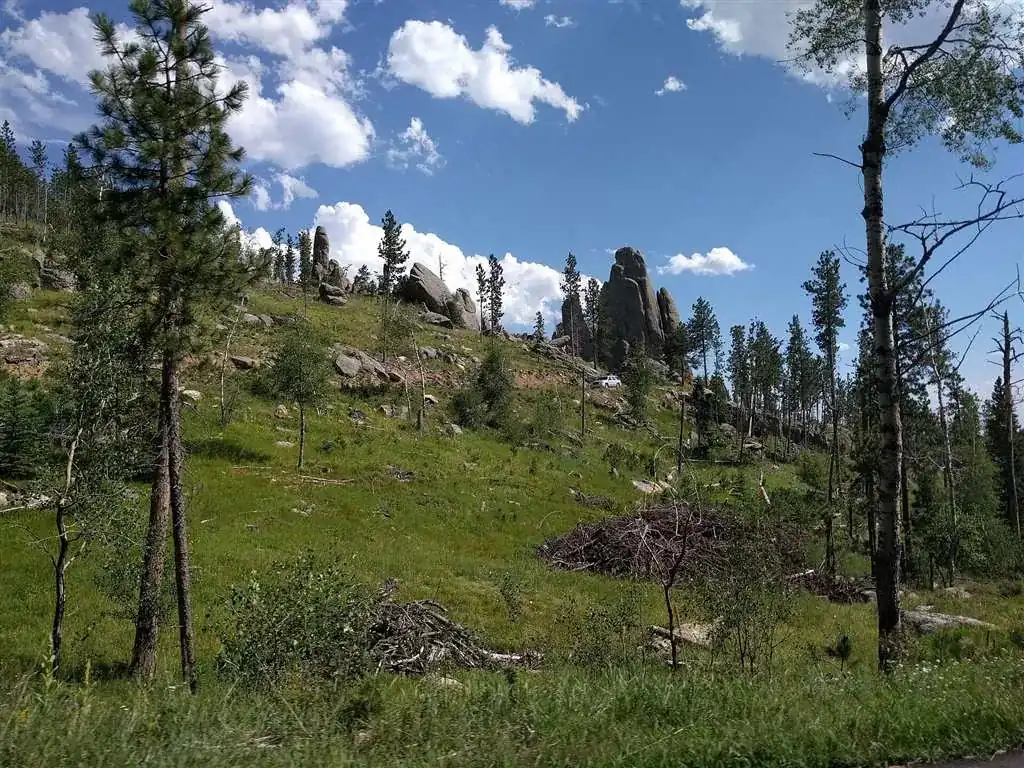

The Black Hills are a different place between late fall and spring. Roads that are easy in July can be icy, closed or simply not worth the risk when snow arrives. If you are building a winter or shoulder-season road trip around a base such as the Lodge at Deadwood, a little planning keeps the trip enjoyable.
This article covers what is known to close, how to check conditions on the day, and what to carry in the car. It is general advice, not a substitute for current local information.
What closes, and when
The best-documented closure is Needles Highway in Custer State Park. According to South Dakota Game, Fish and Parks, it closes with the first snow and reopens April 1 at the earliest. The exact dates vary by year because they follow the weather, not the calendar. You can read the agency's notes on its scenic drives page.
The practical lesson is to treat the Needles Highway as a summer and early-fall road. If it is on your list, plan the trip for that window, or have a backup for the day. Other mountain and canyon roads can also become difficult during storms even when they are not formally closed, so check each one rather than assuming.

Check conditions before every drive
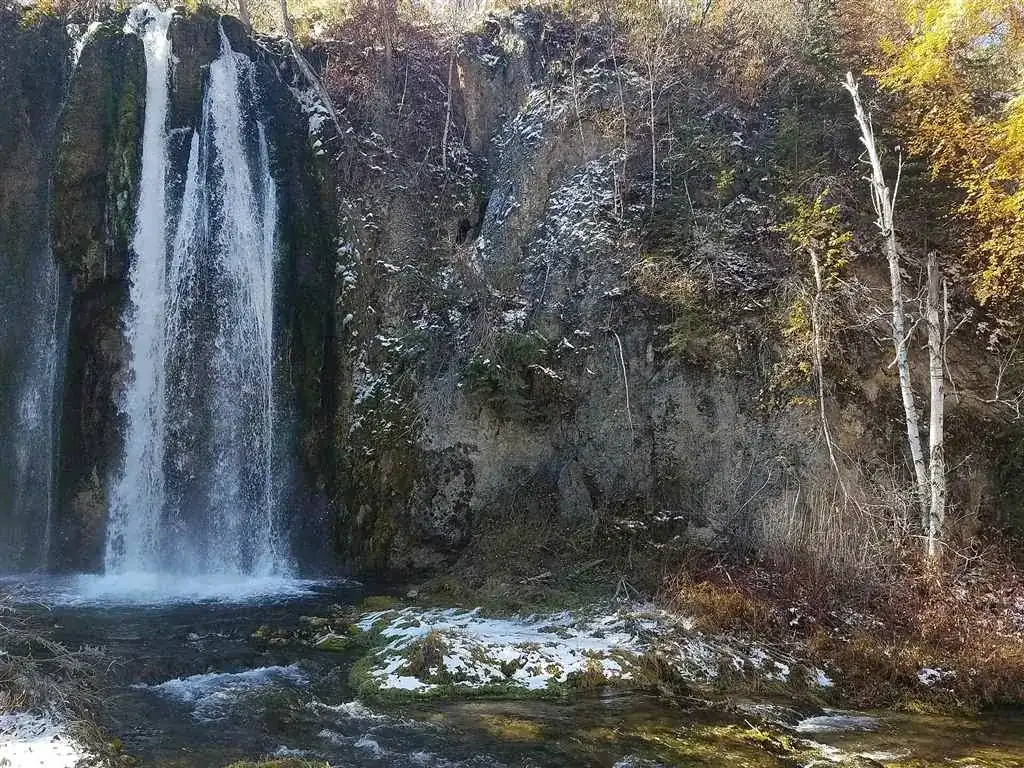
The single most useful habit is checking SD511, South Dakota's road-condition resource, before you leave. Look at the whole route, not just the starting point, because conditions can differ sharply between a town and a mountain pass an hour away.
Check again if you have a long day. A road that was fine at breakfast can change by mid-afternoon in a storm. Look at the weather forecast too, and be willing to change plans. A museum day in town costs you nothing, while a bad drive can cost you a lot.
- Check SD511 the evening before and again before you leave.
- Tell someone your route and expected arrival time if you are heading into remote areas.
- Leave earlier than you think you need to, so you are not driving in the dark if you can avoid it.
- If conditions look poor, wait. Roads often improve after plows have worked.
Driving habits that help
Slow down well before curves, descents and bridges, which can ice up first. Leave much more space than normal between you and the vehicle ahead, since stopping distances grow on snow and ice. Brake gently and early, and avoid sudden steering or acceleration.
On steep mountain grades, use a lower gear going downhill instead of relying only on the brakes. If you are not used to winter driving, this is the point where it is worth being conservative. Four-wheel or all-wheel drive helps you get moving, but it does not help you stop, so do not let it encourage speed.
Watch for wildlife too. Deer and other animals are active around dawn and dusk, and winter darkness arrives early. Our article on protecting your car on a Black Hills road trip has more on animals and parking.
What to pack in the car
Pack for a delay, not just the drive. Cell coverage can be patchy in canyons and forests, and help may take a while to arrive on a closed or blocked road.
| Category | What to carry |
|---|---|
| Visibility and traction | Ice scraper and brush, washer fluid rated for cold, a small shovel, sand or kitty litter for traction |
| Warmth | Blankets or a sleeping bag, gloves, hats, extra layers, boots |
| Power and communication | Charged phone, car charger, a portable power bank, offline map or printed directions |
| Food and water | Water and snacks that will not freeze solid or spoil |
| Safety | Flashlight with spare batteries, first-aid kit, jumper cables, reflective triangles or flares |
| Vehicle | Tires with good tread, a properly inflated spare, and a fuel tank kept at least half full |
Before you leave home, have the battery, tires, brakes and wipers checked if they are due. Cold weather exposes weak batteries and worn tires quickly. If you are renting a car, ask what tires it has and whether it includes an ice scraper.
Plan activities around the weather
Winter does not mean staying home. Deadwood's museums, the trolley and indoor attractions keep going when scenic drives are off the table. Trolley hours are shorter in winter, running Sunday to Thursday 10am to 10pm and Friday and Saturday 8am to 2am, according to Deadwood.com, so check before you rely on it.
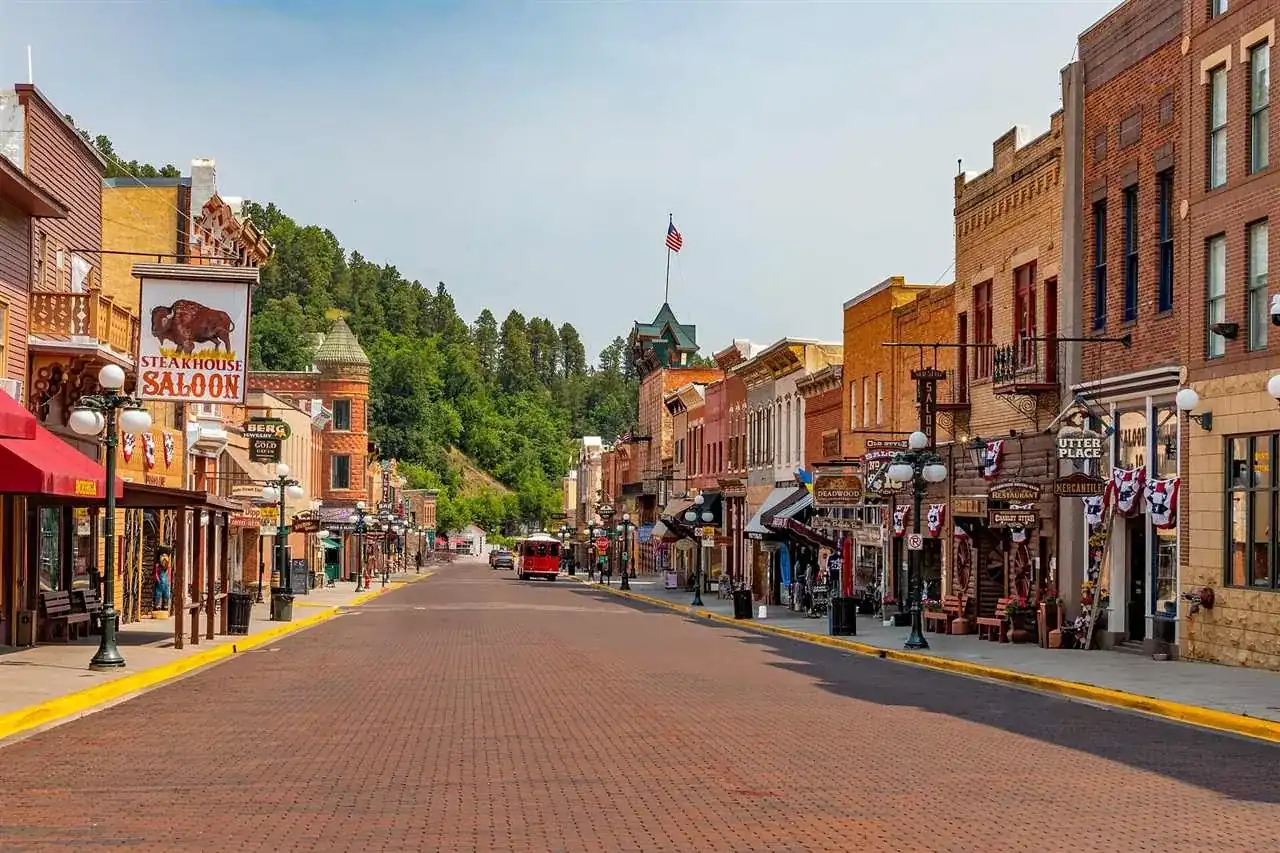

A good winter plan has a primary outing and a fallback. If you want a longer drive, choose a day with a clear forecast and good SD511 reports, and keep the schedule loose. If the weather turns, the town-based loop of museums, Main Street and a warm meal is always available.
A short checklist
- Check SD511 and the forecast the night before and the morning of.
- Confirm that the roads you want are open, including Needles Highway if it is on your list.
- Fill the tank and pack the car kit.
- Leave early, drive slowly and keep a long following distance.
- Have an indoor backup for the day.
If you are planning the whole trip, our Lodge at Deadwood road trip guide covers distances, parking and day trips by car.