Protecting Your Car on a Black Hills Road Trip: Hail, Sun, Wildlife and Parking

A road trip puts more wear on a car than a normal week of commuting. In the Black Hills you add mountain grades, strong sunshine, summer storms and animals on the road. None of it is dramatic if you plan for it, and most of the protection is simple habit.
This guide covers the main risks, with practical steps for each. It is general advice. Your vehicle's manual and your own insurance policy are the places to check specifics.
Hail and summer storms
Western South Dakota is known for sudden storms in the warmer part of the year, and hail is possible from roughly late spring into summer. Storms can build quickly in the afternoon, so a clear morning does not guarantee a calm evening.
The best protection is not to be parked in the open when a storm hits. Check the forecast before you leave the car for hours, and look at local weather alerts on your phone. If a hail warning is active, move the car under a solid roof, such as a parking structure, a garage or a covered area, if you can do so safely. Never drive into a storm to get the car under cover, and do not stand outside in hail.
- Know what your insurance covers for hail damage before you travel, and keep your policy details on your phone.
- Take photos of the car's condition at the start of the trip, especially a rental.
- If damage happens, photograph it, then contact your insurer or rental company promptly.
Sun and heat
At altitude, sunshine is strong and a parked car heats up quickly. That affects dashboards, upholstery and anything you leave inside. Park in shade when you can, and use a reflective windshield shade when you cannot.
Keep electronics, medication and anything pressurized out of a hot car. Never leave children or pets in a parked vehicle. Even on a mild day, the interior temperature climbs far faster than most people expect.
Wildlife on the road
Custer State Park is famous for its wildlife, and animals use the roads. Bison, deer and other animals can be on or beside the road, especially around dawn and dusk. Slow down, stay in your car and give animals plenty of space. A bison on the road is not a photo opportunity from the window, and approaching one is dangerous.
Outside the park, deer cross highways throughout the region, and the risk is highest at dusk, at night and early in the morning. Scan the shoulders, reduce your speed on winding roads and use high beams when it is safe and no one is coming. If an animal appears, brake firmly in a straight line instead of swerving, since swerving can cause a worse crash.
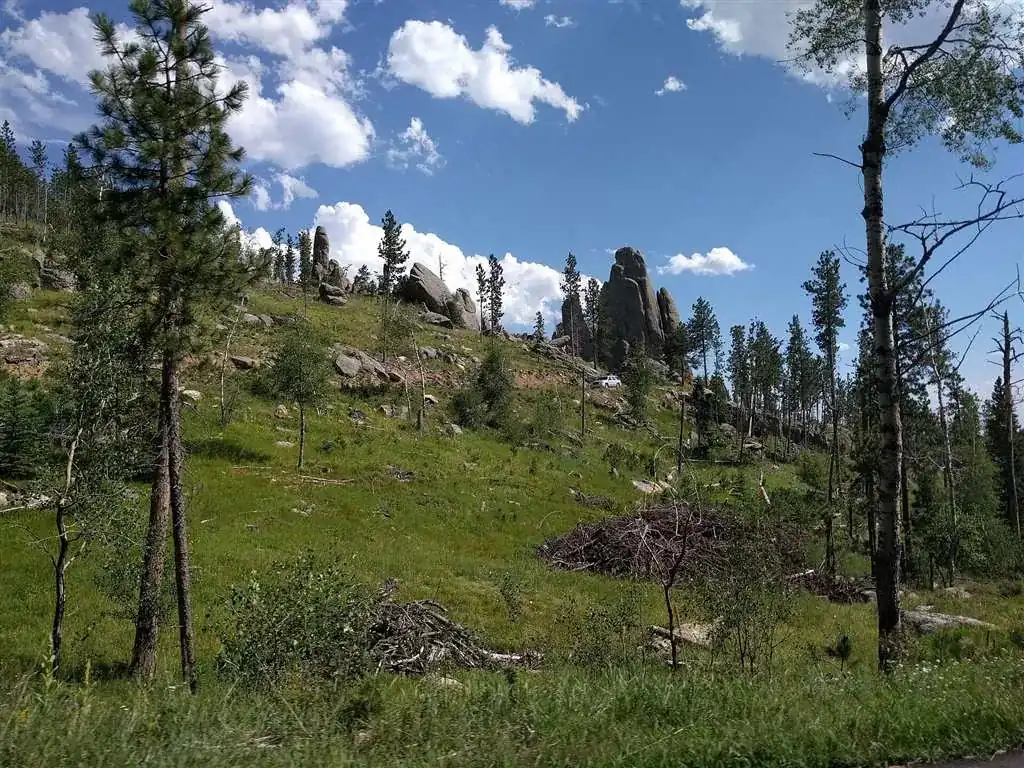

Plan scenic drives for daylight. Our winter driving article covers how conditions change after the first snow, including the Needles Highway closure.
Overnight parking
Where you park matters more than how you park. At a hotel, the best choices are well-lit spaces close to the entrance or near cameras, and a spot away from where tall vehicles might back into you. Many resorts, including the Lodge at Deadwood, offer guest parking, though you should ask about the layout and any security.
These habits help anywhere:
- Remove valuables from view. Do not leave bags, chargers or cables visible.
- Lock the car and close all windows fully, including the sunroof.
- Note where you parked, especially in a large lot or garage.
- Avoid parking directly under trees that drop sap or branches in a storm.
- In town, read the signs for time limits and any overnight rules.
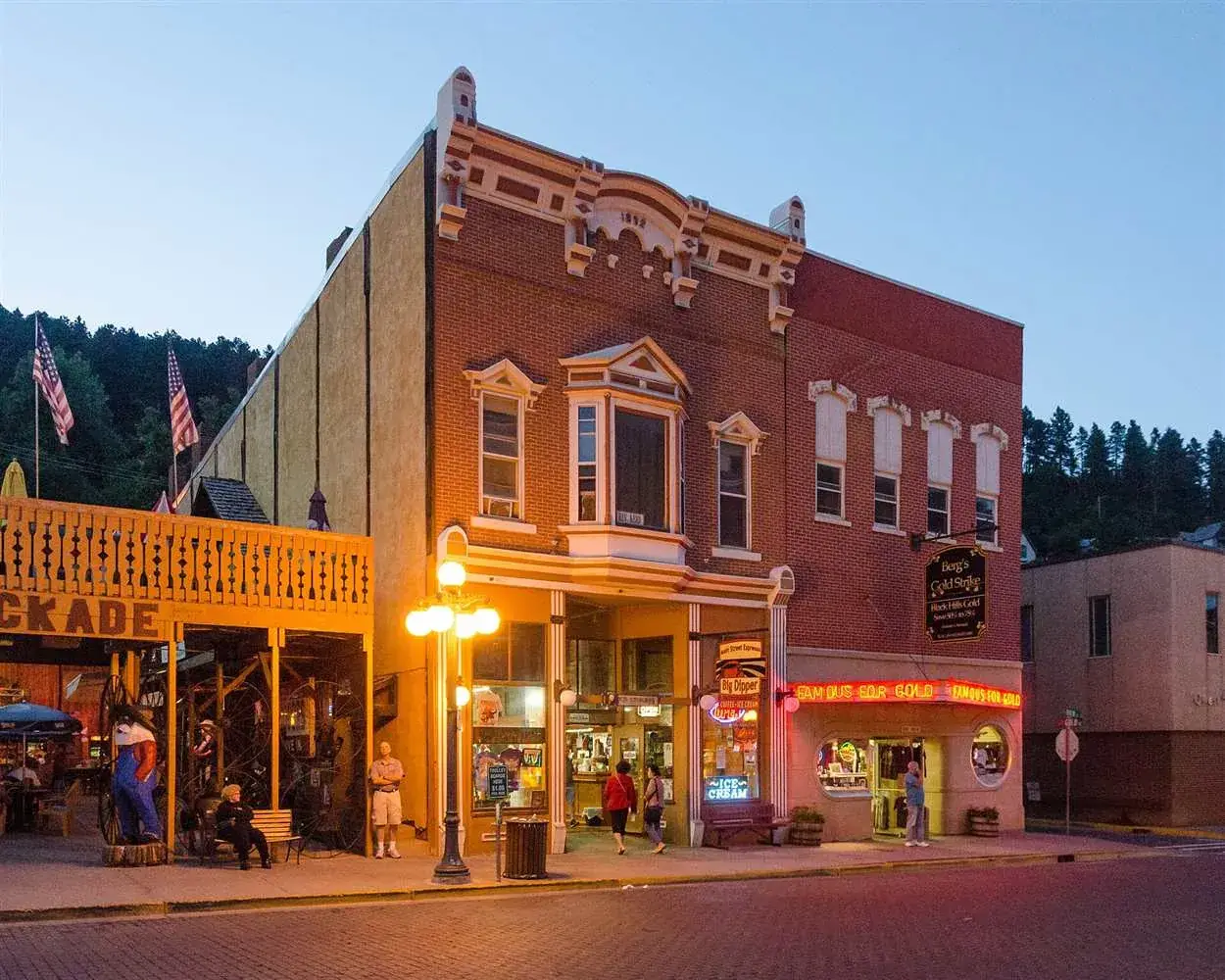
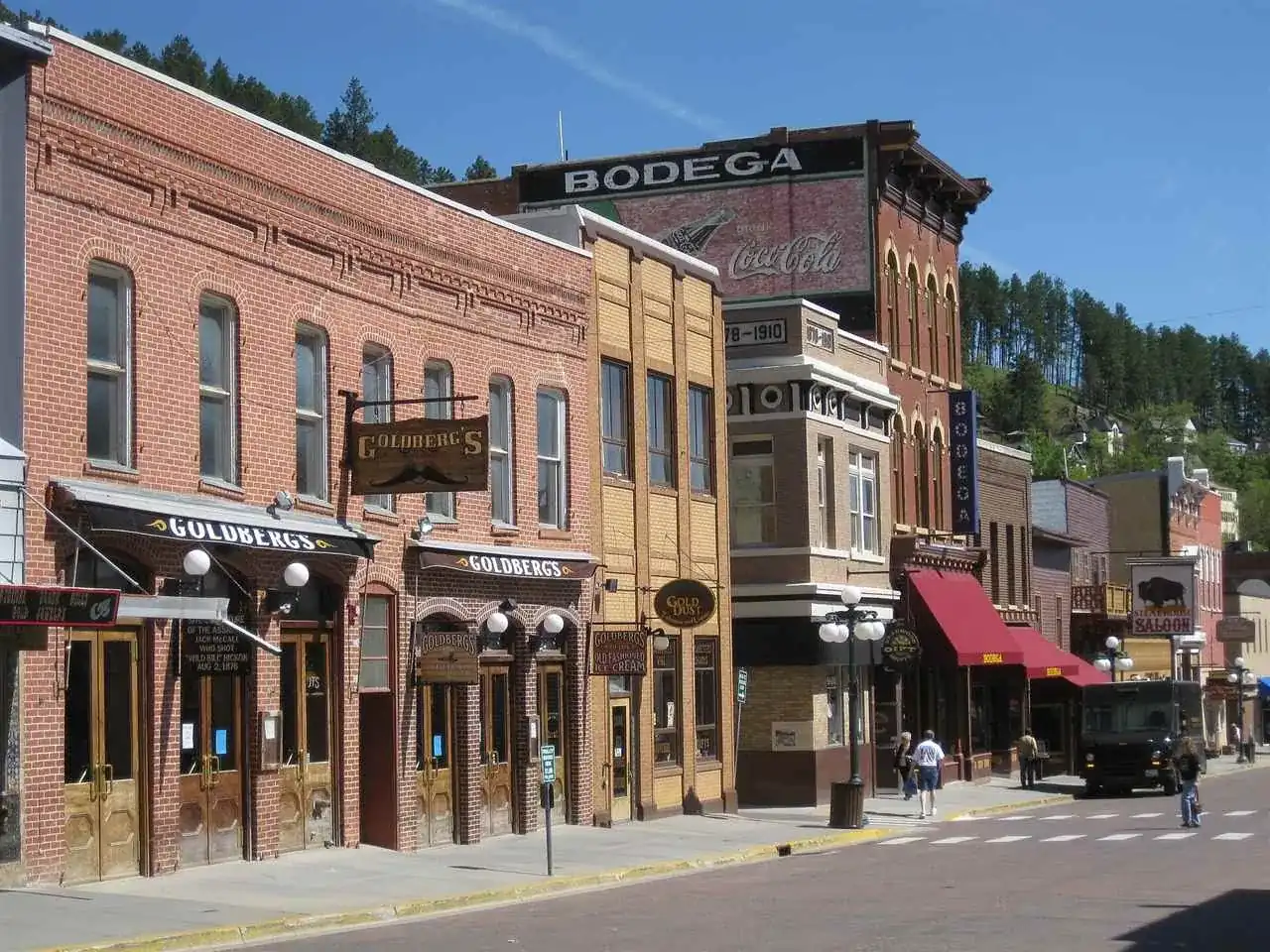
In Deadwood, on-street spaces can fill up, and the trolley is a handy way to avoid moving the car repeatedly. In summer, rooms and lots fill faster, particularly during the Sturgis Rally. See our Sturgis Rally week guide for that.

When a car cover helps
A car cover is a tool for specific situations. It can reduce dust, bird droppings, sap, light scratches and sun exposure when a vehicle is parked outside for days. A heavier, padded cover is sometimes used against light hail, though no cover is guaranteed to stop large hail.
For a normal road trip, where you move the car daily, a cover is usually not necessary. It becomes more useful if you are leaving a vehicle parked in one spot for several days, or storing a classic car or a second vehicle at your destination. If you use one, make sure the car is clean first so grit does not scratch the paint, and fit the cover securely so wind does not whip it against the body.
Choose a cover that fits your vehicle, is breathable, and is made for outdoor use. Check how it handles wind and how easily you can pack it. We do not recommend specific products here, so read independent reviews and the manufacturer's care instructions before you buy.
A quick pre-trip check
- Check tires, brakes, fluids, wipers and the spare.
- Read your insurance policy or rental agreement for weather and wildlife damage.
- Pack a windshield shade, a flashlight and a basic emergency kit.
- Plan to be off mountain roads at dusk.
- Decide where the car will sleep each night.
A little preparation protects both the car and the schedule. Most Black Hills damage comes from rushing, parking carelessly or driving tired.